Film · June 27, 2017 · 8 min
NotPetya: the most expensive cyberattack in history was not asking for a ransom. It was breaking things
MedellínSoftware · Medellín, Colombia
Russia against Ukraine, June 27, 2017. Maersk, Merck, FedEx, Mondelez. Ten billion dollars. A wiper dressed as ransomware. The rest of the world as collateral.
medellinsoftware.com/story/notpetya-ataque-mas-destructivo-historia/
Damage
~USD 10B
Origin
GRU · Sandworm
Bait
M.E.Doc, Ukraine
Type
Wiper
NotPetya pretended to be ransomware. It asked for bitcoin. There was no key. The target was Ukraine — the accounting software M.E.Doc, installed across almost every company in the country — and the collateral ate the planet.
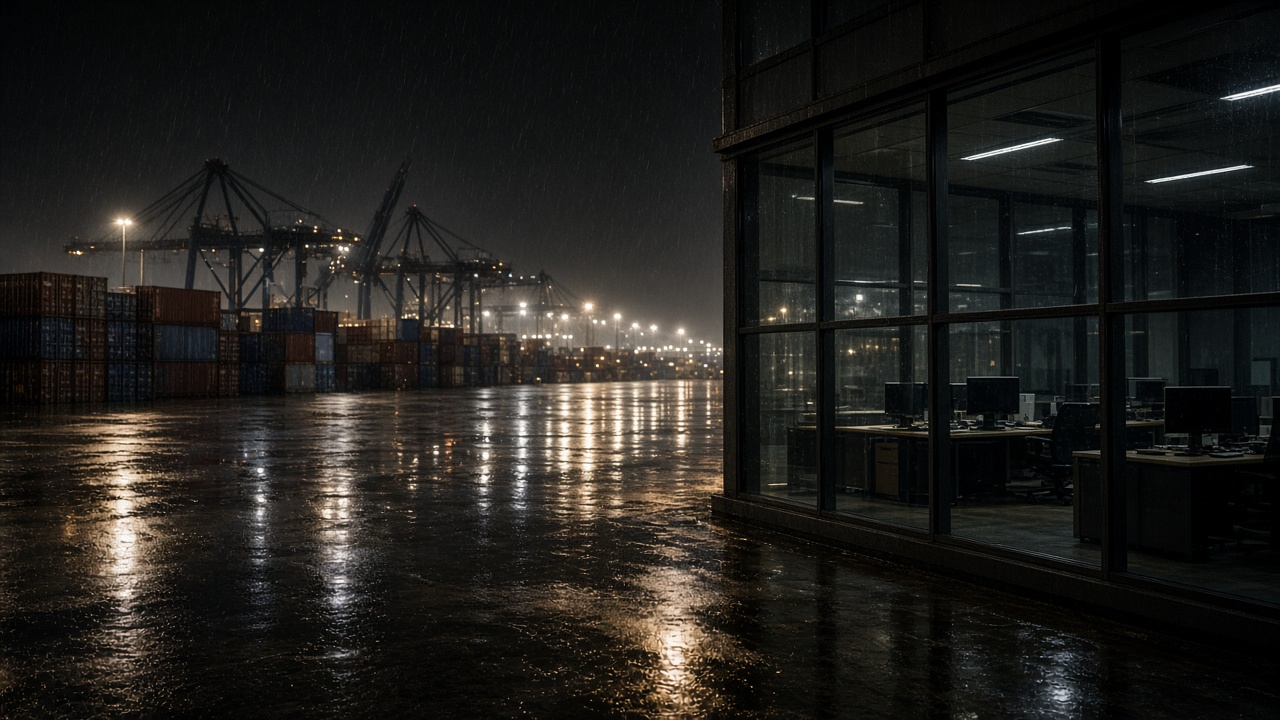
Maersk: 49,000 laptops, 3,500 servers, silent ports. Merck: vaccine production stopped. TNT Express, Mondelez, hospitals. The White House attributed the blow to the Russian military. Sandworm. The GRU.
The lesson is not technical. It is civilizational: a weapon designed for a neighbor does not respect customs. A tax update in Kyiv shut cranes in New Jersey.
The chain is EternalBlue, Maersk minute by minute, and a disguised wiper: the scenario that scares a board more than any other.
The desk
The file is public. The briefing is requested.
AI and deep military intelligence. Medellín.